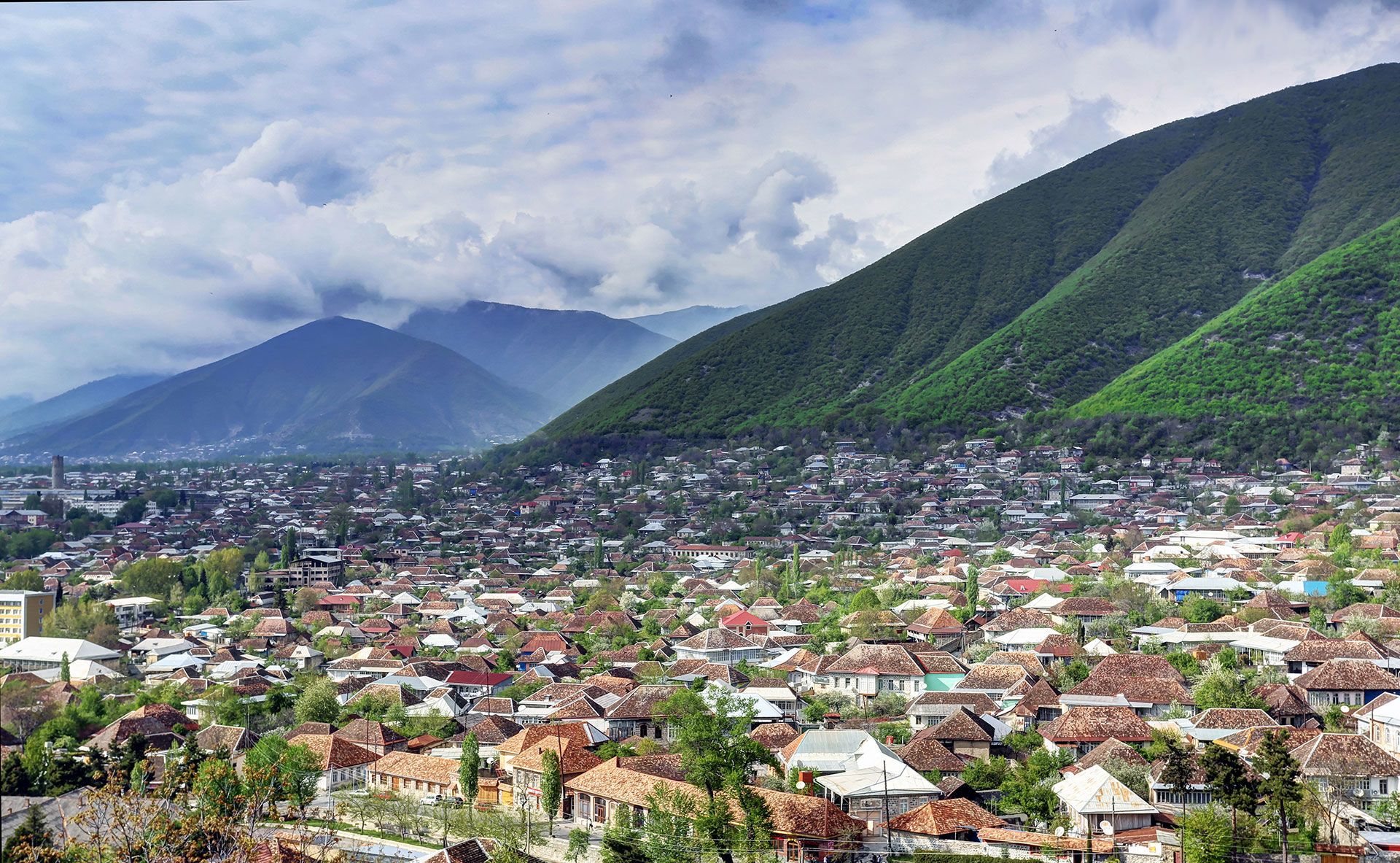
Sweet Tooth: Sheki Halva and the Desserts of Azerbaijan
If you have a sweet tooth, Azerbaijan is your paradise.
Azerbaijani desserts are a symphony of honey, nuts, saffron, and butter. They're rich, they're sticky, and they're absolutely irresistible.
At the center of this sweet universe is Sheki Halva—a multi-layered masterpiece that has been made in the mountain town of Sheki for centuries. But that's just the beginning.
Let's explore the sugary, nutty, saffron-scented world of Azerbaijani sweets.
Sheki Halva: The Crown Jewel
Sheki Halva is not your typical halva. It's a delicate, multi-layered dessert made with rice flour, sugar, nuts, and saffron.
What Makes It Special?
- The Layers: Up to 12 paper-thin layers, each separated by a mixture of ground hazelnuts, walnuts, and almonds.
- The Texture: Light, crispy, and melt-in-your-mouth.
- The Flavor: Subtly sweet with a hint of saffron and cardamom.
Sheki Halva vs. Turkish Baklava
While both are layered nut desserts, they're quite different:
- Halva: Made with rice flour, lighter, less sweet.
- Baklava: Made with phyllo dough, heavier, sweeter.
Where to Try:
- Sheki Bazaar: Buy it fresh from local bakers.
- Marxal Resort (Sheki): Upscale setting with traditional halva.
- Baku: Available in specialty shops, but it's best in Sheki.
Price: 10-30 AZN per kg.
Pakhlava (Azerbaijani Baklava)
Pakhlava is the Azerbaijani version of baklava. It's made with layers of thin dough, ground nuts, and honey or syrup.
The Azerbaijani Twist:
- Shape: Cut into diamond shapes.
- Nuts: Walnuts or hazelnuts (not pistachios like Turkish baklava).
- Sweetness: Less sweet than Turkish or Greek versions.
- Saffron: Often infused with saffron for color and flavor.
When to Eat:
Pakhlava is a Novruz (spring festival) tradition. Every family makes it in March.
Where to Try:
- Old City bakeries (Baku).
- Taza Bazaar.
- Any home during Novruz (if you're lucky enough to be invited).
Price: 2-5 AZN per piece.
Shekerbura: The Crescent of Sweetness
Shekerbura is a crescent-shaped pastry filled with ground nuts, sugar, and cardamom.
The Tradition:
Like pakhlava, shekerbura is a Novruz staple. The crescent shape represents the moon and new beginnings.
The Filling:
- Ground almonds, hazelnuts, or walnuts
- Sugar
- Cardamom
The Pattern:
The top is decorated with intricate patterns made using tweezers (called maggash). Each family has its own design.
Where to Try:
- Novruz season (March): Everywhere.
- Year-round: Specialty bakeries in Baku.
Price: 2-4 AZN per piece.
Badambura: The Almond Delight
Badambura is similar to shekerbura but filled with ground almonds and shaped differently (usually round or square).
The Flavor:
Lighter and less sweet than shekerbura, with a delicate almond flavor.
Where to Try:
- Old City bakeries.
- Homemade versions (the best kind).
Price: 2-4 AZN per piece.
Gogal: The Savory-Sweet Bread
Gogal is a bread roll flavored with turmeric, saffron, and sometimes anise. It's not overly sweet but has a unique, aromatic flavor.
When to Eat:
Traditionally served during Novruz alongside pakhlava and shekerbura.
Where to Try:
- Baku bakeries in March.
- Sheki and Ganja (year-round).
Price: 1-2 AZN per piece.
Firni: The Creamy Rice Pudding
Firni is a delicate rice pudding made with milk, sugar, and rose water. It's served cold and often garnished with pistachios or cinnamon.
The Texture:
Smooth, creamy, and light.
Where to Try:
- Traditional restaurants (ask for "Firni" or "Sütlac").
- Homemade versions are the best.
Price: 3-5 AZN per serving.
Shirin Plov (Sweet Pilaf)
Yes, plov can be a dessert! Shirin Plov is made with rice, dried fruits (apricots, raisins, plums), almonds, and sugar.
When to Eat:
Served at weddings and special celebrations.
The Flavor:
Sweet, fragrant, and surprisingly delicious.
Where to Try:
- Wedding receptions (if you're invited).
- Upscale restaurants (Firuze, Shirvanshah).
Price: 8-12 AZN per serving.
Murabba (Preserves and Jams)
Murabba refers to fruit preserves made with whole fruits cooked in sugar syrup.
Popular Varieties:
- Cherry (Albalı): Tart and sweet.
- Fig (Əncir): Rich and jammy.
- Quince (Heyva): Fragrant and floral.
- Walnut (Qoz): Whole young walnuts in syrup.
- Rose Petal (Gül): Delicate and aromatic.
How to Eat:
- With tea (a spoonful on the side, not in the tea).
- On bread or toast.
- Straight from the jar (no judgment).
Where to Buy:
- Taza Bazaar: Homemade versions from local vendors.
- Old City shops.
Price: 5-15 AZN per jar.
Nabat (Rock Sugar Candy)
Nabat is crystallized sugar candy, often infused with saffron. It's traditionally dissolved in tea.
Where to Buy:
- Old City souvenir shops.
- Taza Bazaar.
Price: 3-10 AZN per pack.
Where to Buy the Best Sweets in Baku
1. Taza Bazaar
- What: Fresh, homemade sweets from local vendors.
- Best For: Authentic, traditional flavors.
2. Old City Bakeries
- What: Pakhlava, shekerbura, gogal.
- Best For: Convenient, touristy but good quality.
3. Specialty Shops (Gülüstan, Baku Sweets)
- What: Packaged sweets, gift boxes.
- Best For: Souvenirs.
4. Sheki (for Halva)
- What: The source. Fresh Sheki Halva.
- Best For: The real deal.
Sweet Etiquette
1. Sweets with Tea
Azerbaijani sweets are designed to be eaten with tea, not as standalone desserts.
2. Share
Sweets are communal. Order a platter and share with the table.
3. Don't Overdo It
These desserts are rich. A small piece goes a long way.
Conclusion
Azerbaijani sweets are a love letter to tradition, craftsmanship, and flavor. Each bite carries the history of the Silk Road, the warmth of Azerbaijani hospitality, and the sweetness of life itself.
So indulge your sweet tooth. You're in the Land of Fire, where even the desserts are legendary.
Next up in our series: The Emerging Wine Route of Azerbaijan